LPC improves Energy Star Score from 57 to 75 and creates $9.2M in asset value at a 600K SF class A office tower


Lincoln Property Company implemented Enertiv’s reporting platform and equipment-level monitoring & optimization to improve operational efficiency at the building.
Key results
- Initiatives implemented across 2024 and 2025 generated $862,827 in recurring annual cost savings
- 26% reduction in energy consumption compared to the 2023 baseline
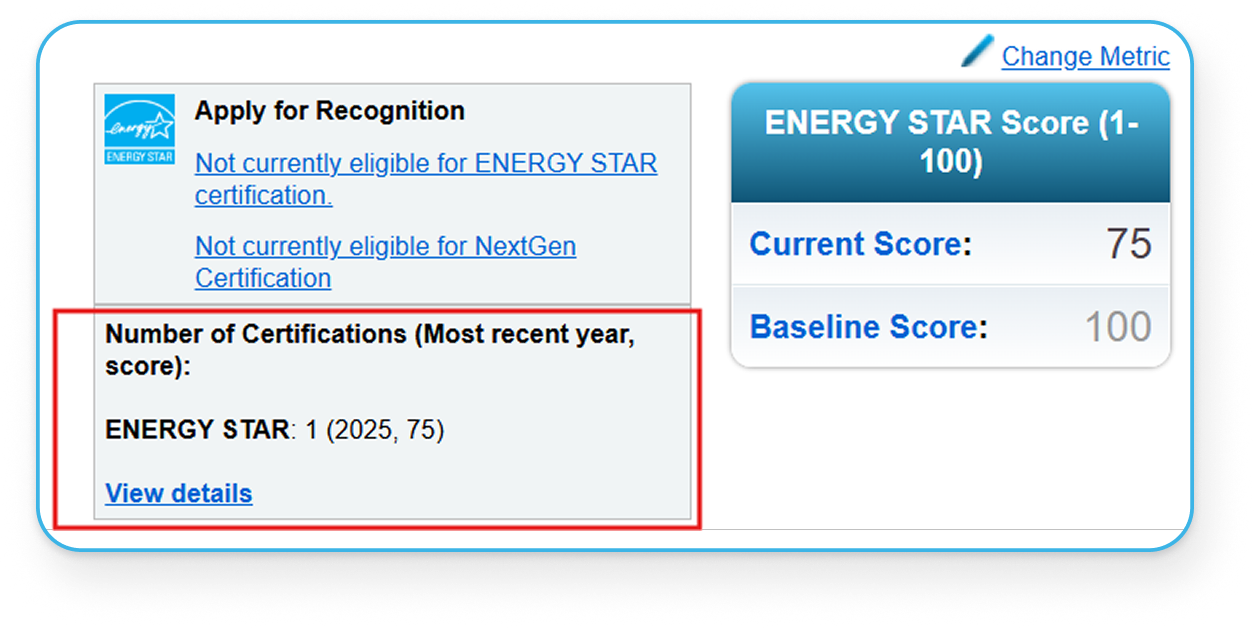
- Energy Star Score improved from 57 to 75, enabling the building to achieve certification
- $9.2M increase in asset value driven by Enertiv’s solution and operational optimization
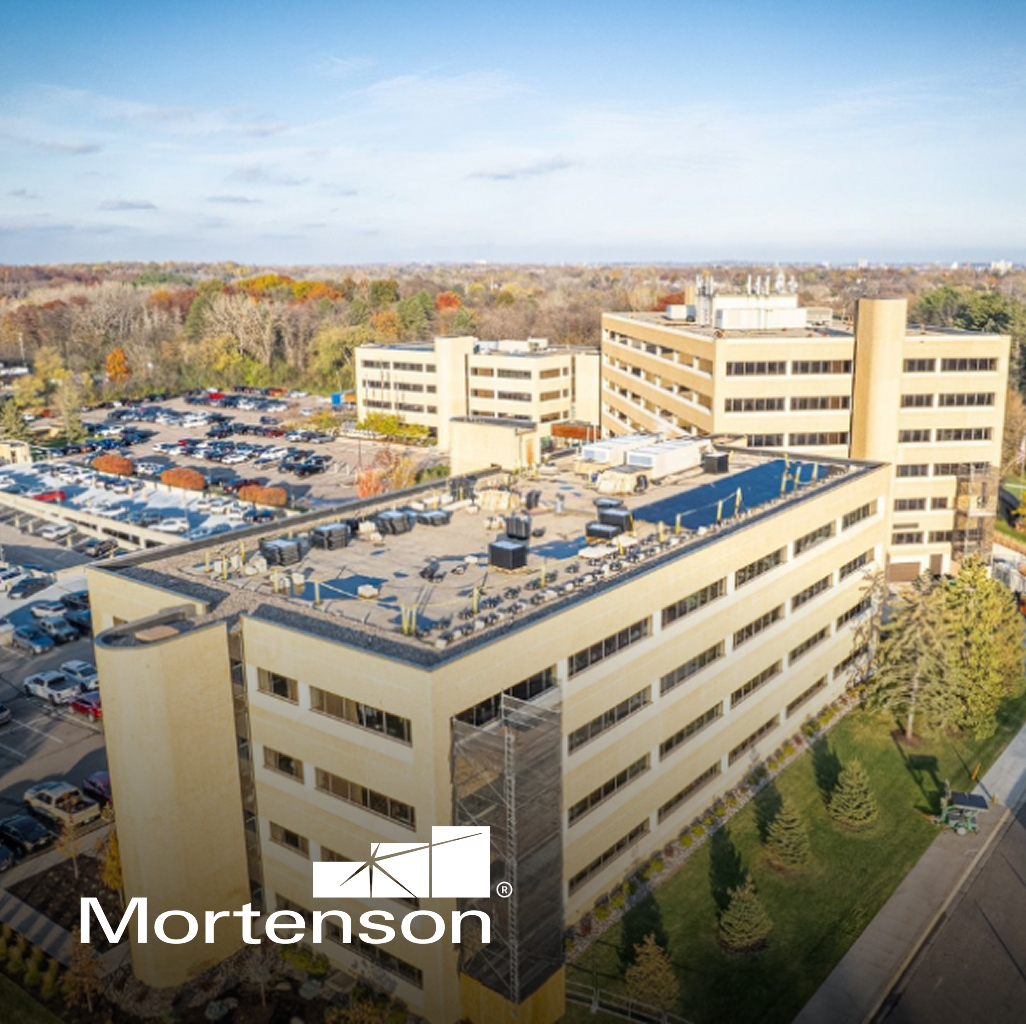
When Lincoln Property Company assumed management of Tower Place in late 2023, the 29-story Class A office tower was facing persistent energy efficiency challenges. Rising electricity rates were creating pressure on operating expenses, while a low Energy Star score limited the building’s competitive positioning from a sustainability and benchmarking standpoint.
After evaluating LPC’s portfolio, Enertiv identified Tower Place as an asset with opportunity to improve performance through low and no-cost operational changes. Using detailed utility and equipment-level data, Enertiv identified insights and supported the implementation of energy conservation measures focused on optimizing how existing systems were operated.
Over two years, these measures generated nearly $900,000 in recurring annual savings despite significant increases in electricity rates and resulted in an estimated $9.2M increase in asset value.
Energy efficiency and cost impact
To quantify the impact of the operational improvements, 2023 was established as the baseline year for Tower Place’s energy performance. Electricity consumption and costs in 2024 and 2025 were measured against this baseline using actual utility bill data.
Following the implementation of targeted energy conservation measures, the building achieved a sustained reduction in energy consumption. In 2024, energy use declined significantly relative to the baseline, and these gains were not only maintained but further improved in 2025. At the same time, average blended electricity rates rose sharply, creating additional cost pressure that would have directly impacted operating expenses without efficiency improvements.
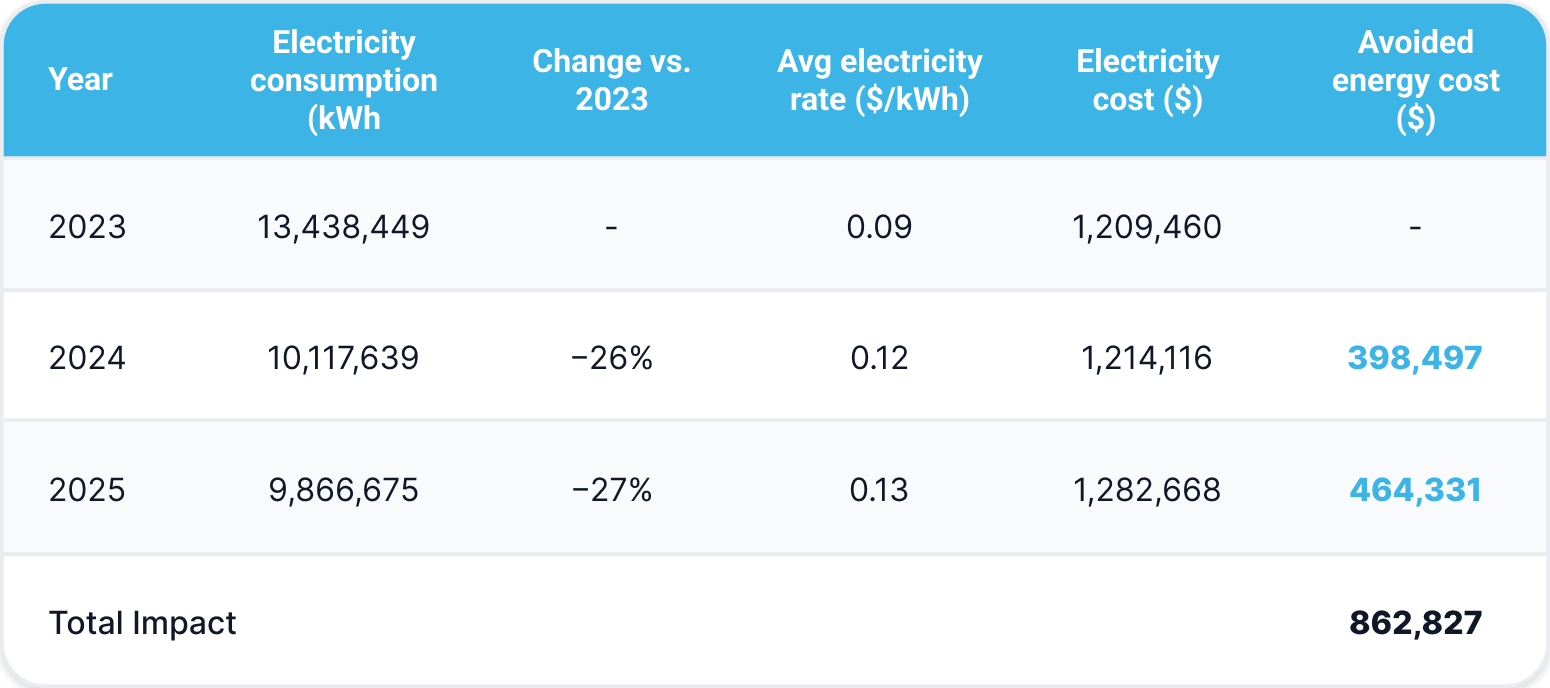
Even with significant increases in electricity rates, Tower Place was able to control energy costs and remain competitive by embedding efficiency into day-to-day operations. The sustained reduction in consumption protected NOI, mitigated rate-driven risk, and reinforced the long-term financial performance of the asset.
Energy Star performance improvement
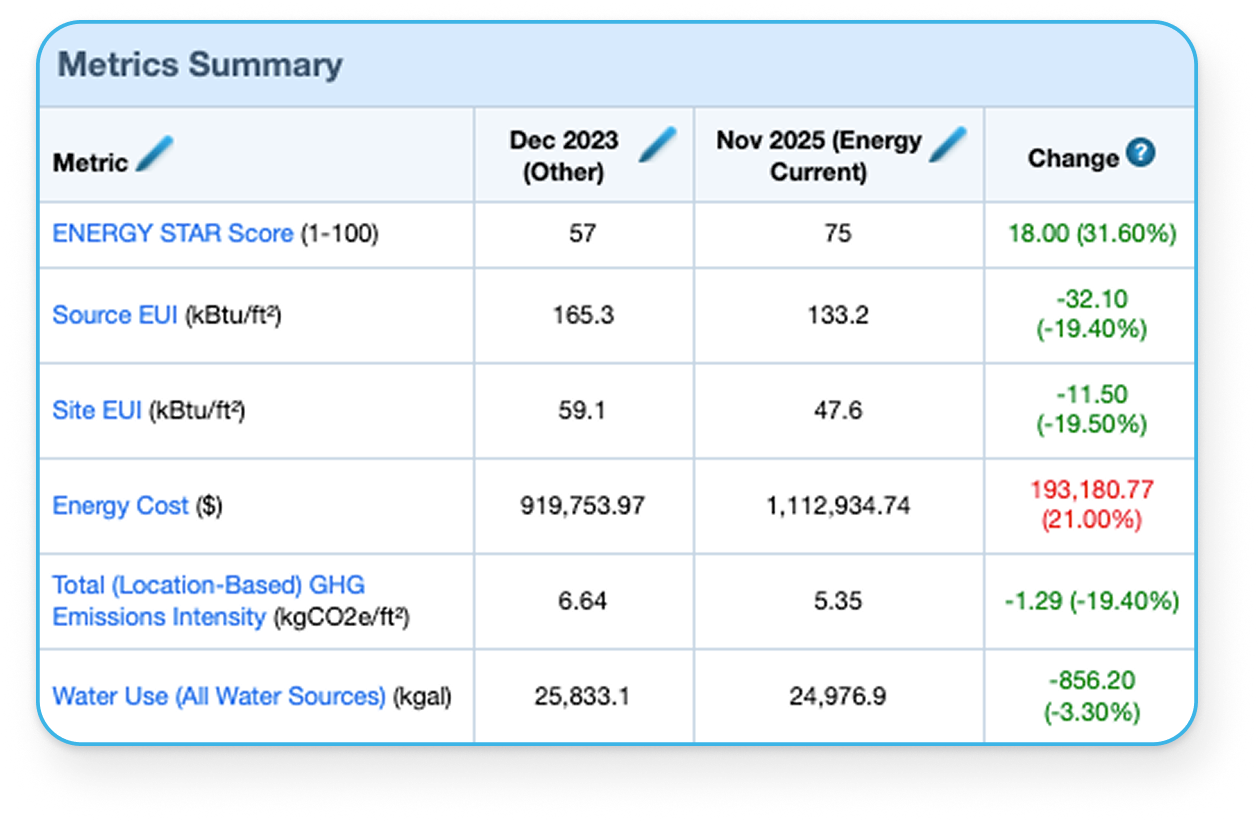
The reduction in energy consumption translated directly into improved benchmarking performance. As operational efficiency improved and energy intensity declined, the building’s Energy Star score increased from 57 to 75 over the course of 2024 and 2025.
Beyond certification, the higher Energy Star score provides a clearer signal to investors, tenants, and stakeholders that the asset is being operated efficiently and managed with long-term performance in mind.
Energy conservation measures implemented
The performance improvements at Tower Place were driven by a coordinated set of energy conservation measures focused on optimizing how existing building systems were operated. Rather than relying on capital-intensive retrofits, the approach centered on improving schedules, setpoints, and control logic across keyequipment groups.
Measures were implemented across air handling units, chilled water systems, pumps, cooling towers, heaters, and related controls. Together, these actions reduced unnecessary runtime, eliminated seasonal inefficiencies, and aligned system operation with actual building demand.
The interactive chart below highlights the energy conservation measures implemented across key building systems:

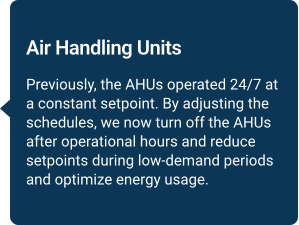
Air Handling Units
Previously, the AHUs operated 24/7 at a constant setpoint. By adjusting the schedules, we now turn off the AHUs after operational hours and reduce setpoints during low-demand periods and optimize energy usage.
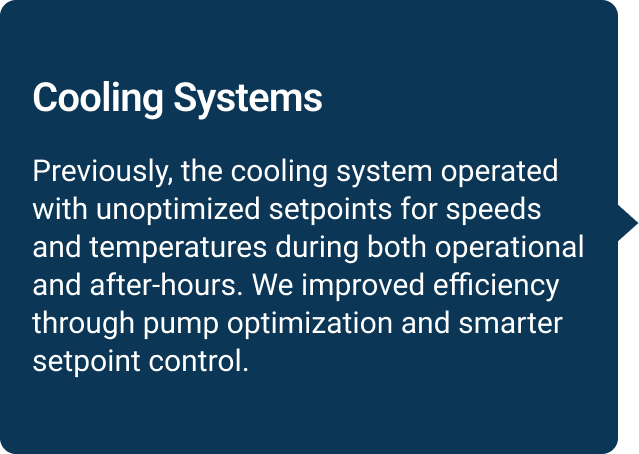
Cooling Systems
Previously, the cooling system operated with unoptimized setpoints for speeds and temperatures during both operational and after-hours. We improved efficiency through pump optimization and smarter setpoint control.
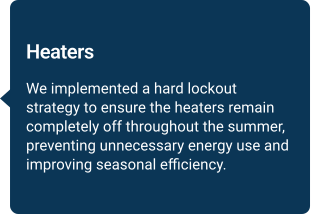
Heaters
We implemented a hard lockout strategy to ensure the heaters remain completely off throughout the summer, preventing unnecessary energy use and improving seasonal efficiency.
Enertiv's engineering team partnered closely with on-site building staff, hosting bi-weekly or monthly working sessions to prioritize actions, implement changes, validate results, and monitor ongoing performance.
Summary
The results achieved at Tower Place demonstrate how targeted, data-driven operational improvements can materially improve energy performance, control costs, and increase asset value without requiring major capital investment.
These improvements had a direct financial impact. Sustained reductions in energy consumption protected the asset from rising electricity rates, preserved NOI, and translated into a significant increase in asset value. Just as importantly, the operational changes embedded efficiency into day-to-day building management, ensuring that gains were durable rather than temporary.
This approach aligns closely with LPC’s broader focus on operational excellence, cost discipline, and continuous improvement across its managed portfolio. As sustainability expectations, benchmarking requirements, and energy cost volatility continue to increase, the ability to improve performance becomes a critical advantage.
With more than 15 years of experience implementing energy optimization initiatives, Enertiv enables this approach to be deployed efficiently and consistently at scale. By combining utility data, equipment-level insights, and analytical expertise, Enertiv helps identify efficiency opportunities, prioritize actions, and sustain results across entire portfolios.
What an insight looks like for the tenant: